Blooming Flower Display Font for Modern Web Design
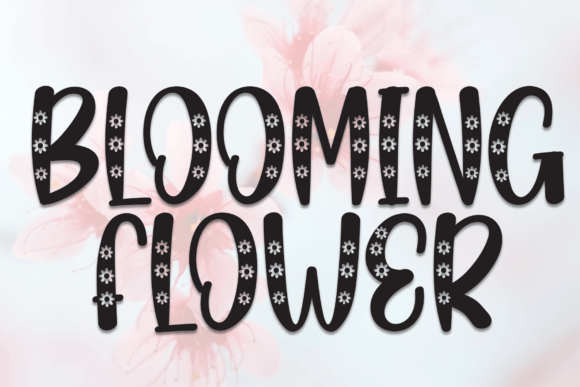
When you build websites and digital products every day, you quickly learn that typography does more than fill space—it sets the emotional tone of a page. Blooming Flower is a bold handwritten display font that captures the beauty and freshness of nature, making it a compelling choice for web designers who want to inject warmth and organic energy into their layouts. As a display font, it is designed to grab attention, and its playful flowing style brings a handcrafted feel that is hard to achieve with standard system typefaces. Whether you are working on a boutique ecommerce store, a creative portfolio, or a cheerful landing page, Blooming Flower offers a distinctive voice that can elevate your digital projects from ordinary to memorable.
How Blooming Flower Brings Nature-Inspired Personality to Digital Layouts
The visual character of Blooming Flower centers on a balance of bold weight and fluid motion. Unlike rigid geometric fonts, this handwritten typeface carries a natural rhythm that mimics the casual elegance of hand lettering. For web designers, that quality is valuable because it immediately signals approachability and creativity. When a visitor lands on a page using Blooming Flower for its hero headline, they perceive a brand that values artistry and authenticity. The font avoids feeling overly ornamental, which is a common risk with script or handwritten styles. Instead, it retains enough structure to remain legible at larger sizes while still delivering the organic charm that makes greeting card and invitation designs feel personal. This combination makes it a versatile display font for digital environments where you need a strong typographic anchor.
Blooming Flower for Website Headers and Hero Sections
Hero sections are the first thing users see, and your headline there has only a few seconds to earn their attention. Blooming Flower works exceptionally well in hero headings because its bold strokes command visual priority without requiring additional heavy styling. When used at sizes above 48 pixels, the letterforms stay readable while the hand-drawn texture adds a layer of personality that flat sans serif fonts cannot replicate. For a creative agency site or a lifestyle blog, placing Blooming Flower in the hero instantly communicates that the brand is not afraid to be expressive. Pair it with a clean background and minimal navigation, and the font does the heavy lifting for your visual hierarchy. Just remember that this is a display font, so use it for the main headline and let supporting elements remain simple to preserve contrast.
Using Blooming Flower in Landing Page Headlines and Call-to-Action Areas
Landing pages rely on clear focus and quick emotional connection. Blooming Flower can anchor your primary value proposition with a headline that feels handcrafted and human, which is especially effective for products or services tied to creativity, wellness, weddings, and celebrations. On a course sales page for a floral design workshop or a coaching offer aimed at creative entrepreneurs, the font reinforces the brand narrative before the visitor reads a single sentence. For call-to-action buttons and short taglines, use Blooming Flower sparingly. Because it is a display font with a bold handwritten style, it works best on short text strings—a single word or a brief phrase. A button reading “Shop Now” or “Join the Bloom” in this typeface feels intentional and visually distinct, helping your CTA stand out from surrounding body copy.
Pairing Blooming Flower with Sans Serif Fonts for Balanced Digital Layouts
No single font can carry an entire web project on its own, and Blooming Flower shines brightest when paired with a neutral companion. For body text, a clean sans serif font such as Inter, Open Sans, or Work Sans provides the readability and contrast needed to let Blooming Flower remain the star. The sans serif handle the paragraphs, navigation labels, and secondary information while the handwritten display style headlines and accents. If you prefer a more editorial feel, a light serif font in your body copy can create an interesting tension between traditional structure and playful hand lettering. The key is to establish clear roles: use Blooming Flower for headings and decorative elements, and reserve your sans serif font for long-form content and UI details. This font pairing approach ensures readability on mobile screens and maintains a professional digital brand identity.
Blooming Flower for Online Store Banners and Product Page Accents
Ecommerce sites need typography that stops the scroll and encourages browsing. Blooming Flower works effectively in banner headlines, sale announcements, and category titles where you want to inject emotion. A boutique selling handmade stationery, natural skincare, or wedding accessories can use this display font to align the visual language with the product story. On product pages, you might place Blooming Flower in the short description heading or as an accent on the main product title—but keep the price and specifications in a simple sans serif font for clarity. Because the font carries a cheerful and flowing style, it is also well suited for seasonal banners, holiday promotions, and limited-time offers where you need to create urgency without feeling aggressive. The natural freshness of the typeface makes even a sale announcement feel welcoming.
Readability Considerations for Blooming Flower on Mobile and Responsive Layouts
Any display font requires careful handling on small screens, and Blooming Flower is no exception. Its bold weight helps maintain legibility at moderate sizes, but you should avoid using it for body copy or small UI labels. On mobile, reserve Blooming Flower for headlines above 32 pixels and keep all other text in your supporting sans serif font. When placing the font over background images, test the contrast carefully. Light backgrounds with dark text or dark backgrounds with light text work best. For image overlays, adding a subtle gradient or shadow behind the text ensures the handwritten strokes do not blend into busy photo areas. Responsive testing is essential: what looks spacious on a 27-inch monitor may become crowded on a 375-pixel phone. Scale down the font size progressively while preserving the line spacing so the letterforms remain distinct and the playful character is not lost.
Blooming Flower in Digital Brand Kits and Social Media Graphics
Consistency across platforms strengthens a brand identity, and Blooming Flower can become a signature element in your digital brand kit. Use it for social media quote graphics, Instagram story titles, YouTube thumbnail overlays, and email newsletter headers. Because the font is a bold handwritten display style, it cuts through the noise of crowded social feeds. A wellness coach or creative entrepreneur can build a recognizable visual signature by using Blooming Flower consistently across website banners, profile headers, and promotional graphics. For digital templates and Canva-style assets, the font offers a handcrafted warmth that resonates with audiences tired of generic stock design. When building a brand kit, document the exact pairing—Blooming Flower for short display copy and a clean sans serif font for everything else—to maintain coherency across all channels.
Commercial Licensing for Blooming Flower in Client and Web Projects
Before integrating any font into commercial work, check the licensing terms to avoid legal surprises. Blooming Flower is available for purchase with standard usage rights that typically cover personal and commercial projects, but the scope depends on the seller. For web designers and digital product creators, you need a license that allows embedding the font on websites, using it in client brand assets, and including it in digital templates sold on platforms like Gumroad or Etsy. Some licenses limit the number of page views or require separate webfont hosting, while others offer unlimited web use. Always confirm whether the license covers webfont file formats such as WOFF and WOFF2, which are essential for fast loading on modern websites. If you are designing for a client, communicate the licensing requirements clearly and factor the cost into your project budget. Proper licensing protects both you and your client and ensures the display font remains a legitimate part of the brand identity you build.
Using Blooming Flower for Portfolio Sites and Creative Showcases
If you design your own portfolio or work with creative professionals, Blooming Flower can serve as a memorable signature element. Use it in your name logo, the main headline on your homepage, and section dividers throughout the site. Because the font captures a fresh and artistic spirit, it aligns naturally with photographers, illustrators, florists, event planners, and wedding vendors. The flowing style adds a human touch to an otherwise minimalist layout, helping your work feel personal without sacrificing professionalism. Just keep the font pairing disciplined: use a neutral sans serif font for your project descriptions and contact information so the page remains easy to scan. With careful sizing and spacing, Blooming Flower becomes a unique brand asset that sets your digital presence apart in a sea of predictable templates.
Ultimately, Blooming Flower is more than a decorative display font—it is a tool for building emotional resonance in digital spaces. From hero headers and landing page headlines to online store banners and social media graphics, this bold handwritten typeface brings nature-inspired freshness to every project. When paired with a clean sans serif font and used intentionally in short, high-impact positions, it supports both visual hierarchy and brand tone. For web designers and digital product creators who want to convey warmth, creativity, and authenticity, Blooming Flower delivers a distinctive typographic voice that users remember.